Product packaging is a critical success factor for e-commerce businesses in Greece. According to a recent survey by the Greek Association of Information & Communication Technologies Companies, 57% of Greeks will use the internet for all their purchases during the holiday season. In addition, up to 1 in 10 shipments is damaged during transportation.
Choosing the right packaging is not merely a functional matter—it is a powerful tool for increasing customer loyalty and driving repeat sales. Especially when 75% of consumers who order fashion products prefer to receive them in eco-friendly packaging, and 47% want their online orders delivered in recyclable materials.
Understanding the Core Packaging Needs
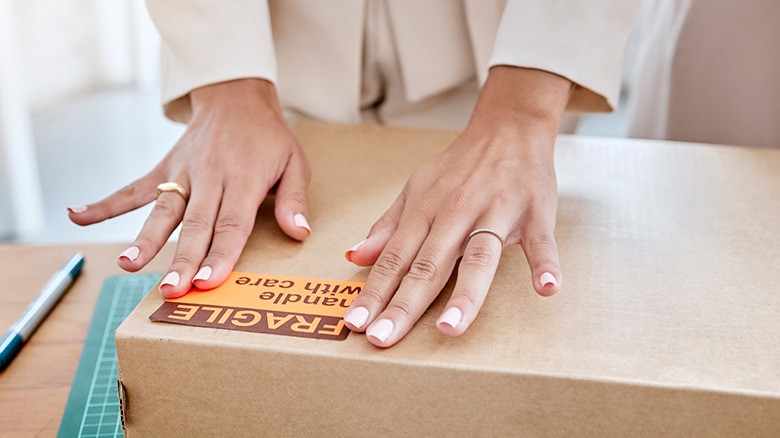
Product protection is the most important function of packaging. Without proper packaging, up to 11% of products may be damaged during transit, while inadequate packaging can lead to increased returns and brand dissatisfaction. Packaging is not just a wrapper—it is the first thing the consumer sees.
Packaging protects products from physical damage, moisture, light, and other external factors. It also ensures product integrity, which builds consumer trust.
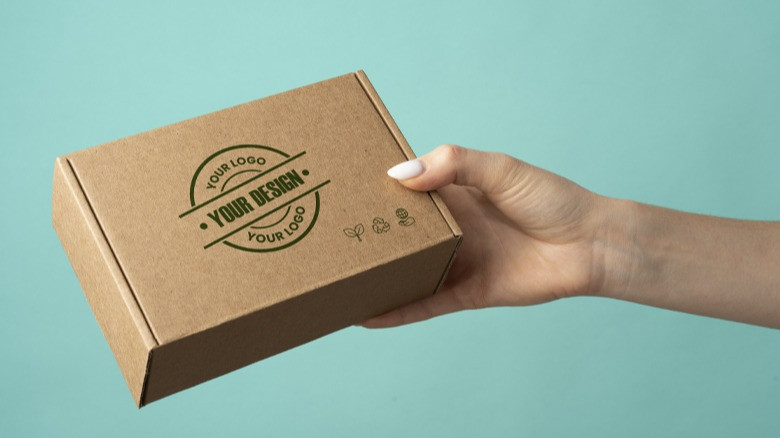
Packaging is often the customer’s first visual interaction with the product. It forms the first impression of the brand and the product itself. Well-designed, visually appealing packaging can immediately capture attention and spark interest.
Unboxing plays a key role in the customer experience. Easy-to-open packaging creates excitement and satisfaction, while poorly designed or difficult packaging can cause frustration.
Finally, selecting the right packaging material goes beyond cost—it directly impacts product protection, brand image, and environmental footprint.
Choosing the Right Type of Packaging
For every business, selecting the right packaging type is not just about presentation—it is a critical factor in protecting products and reducing returns.
There are three main types of packaging:
-
Primary packaging, which comes into direct contact with the product.
-
Secondary packaging, which groups primary packages for easier storage and transportation.
-
Tertiary packaging, which supports bulk handling and large-scale logistics.
Corrugated boxes are an ideal solution for safe shipping, combining durability and protection. Their structure absorbs shocks, ensuring products arrive intact. They are also environmentally friendly, recyclable, and cost-effective for bulk shipments.
Bubble mailers offer a practical and economical solution for shipping small and fragile items. They are lightweight, durable, waterproof, and easy to seal, while reducing shipping costs due to their low weight.
Tuck-top boxes with folding lids are ideal for products that require frequent opening and closing, such as baked goods or small electronics. They combine functionality, durability, and convenience, enhancing the overall customer experience.
High-quality, refined packaging is an integral part of a premium brand’s identity. It reflects attention to detail, superior aesthetics, and professionalism. The choice of materials goes beyond protection—it creates a complete brand experience that conveys quality and reliability. High-specification cardboard, sustainable luxury solutions, and specialized materials ensure the perfect balance between aesthetics, functionality, and long-term value.
Strategies for Efficient and Sustainable Packaging
In today’s environmentally conscious market, efficient and sustainable packaging is no longer optional—it is essential. Over 60% of European consumers prefer products with eco-friendly packaging, while 80% of industries actively invest in sustainable supply chains.
To achieve efficient packaging, consider the following strategies:
-
Custom-sized packaging: Tailored dimensions reduce empty space, minimize the need for additional fillers, lower shipping costs, and improve customer experience.
-
Sustainable material selection: Recyclable cardboard and multi-cycle recyclable paper (up to 25 times) are strategic choices for modern businesses. They enhance a brand’s green profile and support a responsible supply chain.
Choosing the right material requires balancing cost, visual appeal, and environmental impact. High-quality materials convey a sense of luxury, while eco-friendly options highlight sustainability commitments.
Although sustainable packaging may require initial investment, it delivers long-term value by increasing sales and customer loyalty. Through mass production, the cost of customized packaging can be significantly reduced.
In conclusion, selecting the right packaging is a fundamental success factor for every e-commerce business and brand. Proper packaging not only protects products during transportation but also creates a memorable customer experience. Products that arrive intact and attractively packaged build consumer trust and strengthen brand loyalty.
Ultimately, packaging is not just a cost to minimize—it is an investment in your product’s and brand’s success. When designing your packaging strategy, think beyond protection and consider how packaging can become a powerful marketing tool and a way to express your brand’s values. As the data shows, your customers will notice—and reward—you with trust and loyalty.